



01 / Perspective
You’ve heard this one. A team builds fast, sends the invoice, and goes quiet. Six months later there’s a system nobody understands and nobody will touch.
It’s a fair worry. We work differently: a small, senior engineering team stays close to the product after it ships, because software nobody understands or maintains stops being worth much.
02 / Capabilities
Build
You need software that doesn’t exist yet. Portals, internal tools, booking systems, dashboards, operations platforms. We take it from the first conversation to something your team uses every day.
Integrate
Your systems don’t talk to each other. Payments, third-party services, APIs between tools that were never meant to meet. We make them work together, and keep them working.
Modernize
You have a system that works but is getting harder to change. We improve it without stopping the business running on it. Most studios won’t touch old code. We will: our principals have taken more than two hundred Adobe Flash pages to modern JavaScript without changing what they did.
Scale
It works, but not at the size you’re growing into. We find the bottlenecks, improve performance and strengthen the architecture so the system can handle what comes next.
Operate
After launch, someone has to keep the system healthy. We monitor it, fix what breaks, improve what slows down and keep it evolving as your business changes.
03 / Selected Experience
Work our principals led in the roles and contracts they held before Mithetra. Some of it we can name. Some of it we can’t, and we’d rather say so than blur a logo.
Mobility platformNDA
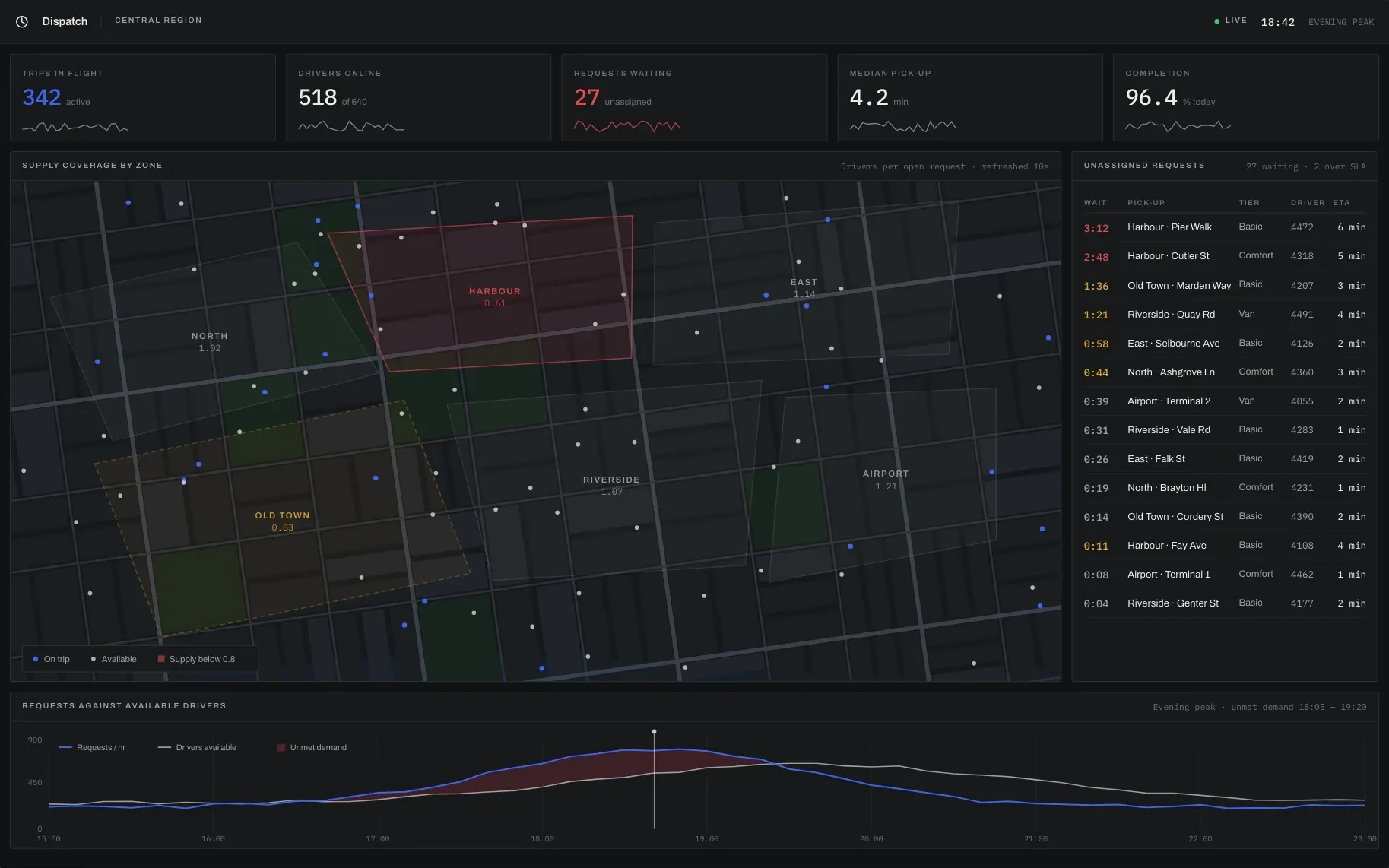
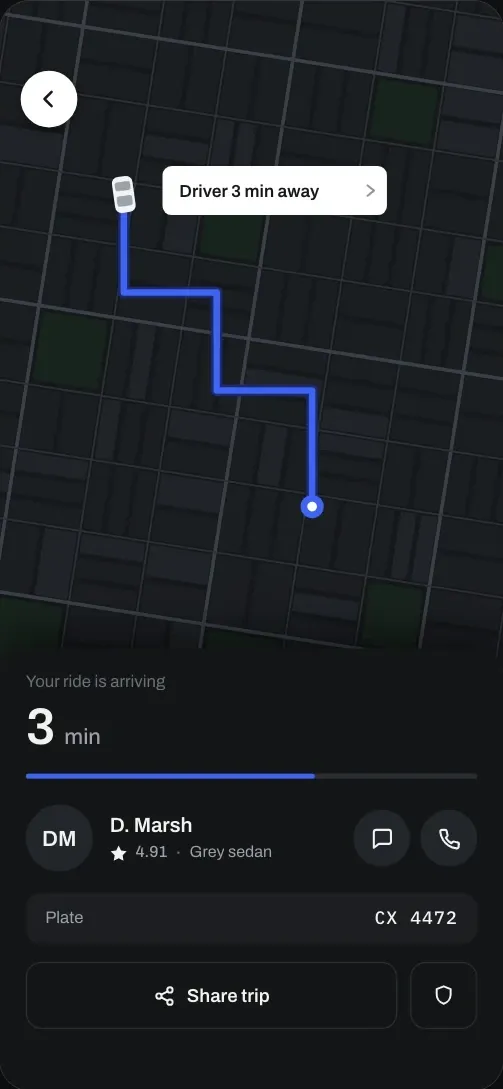
A large-scale ride-hailing platform: the apps riders sign in to, the promotions that bring them back and the consoles operators run the day from. Our principals led its engineering.
Smart-city platformNDA
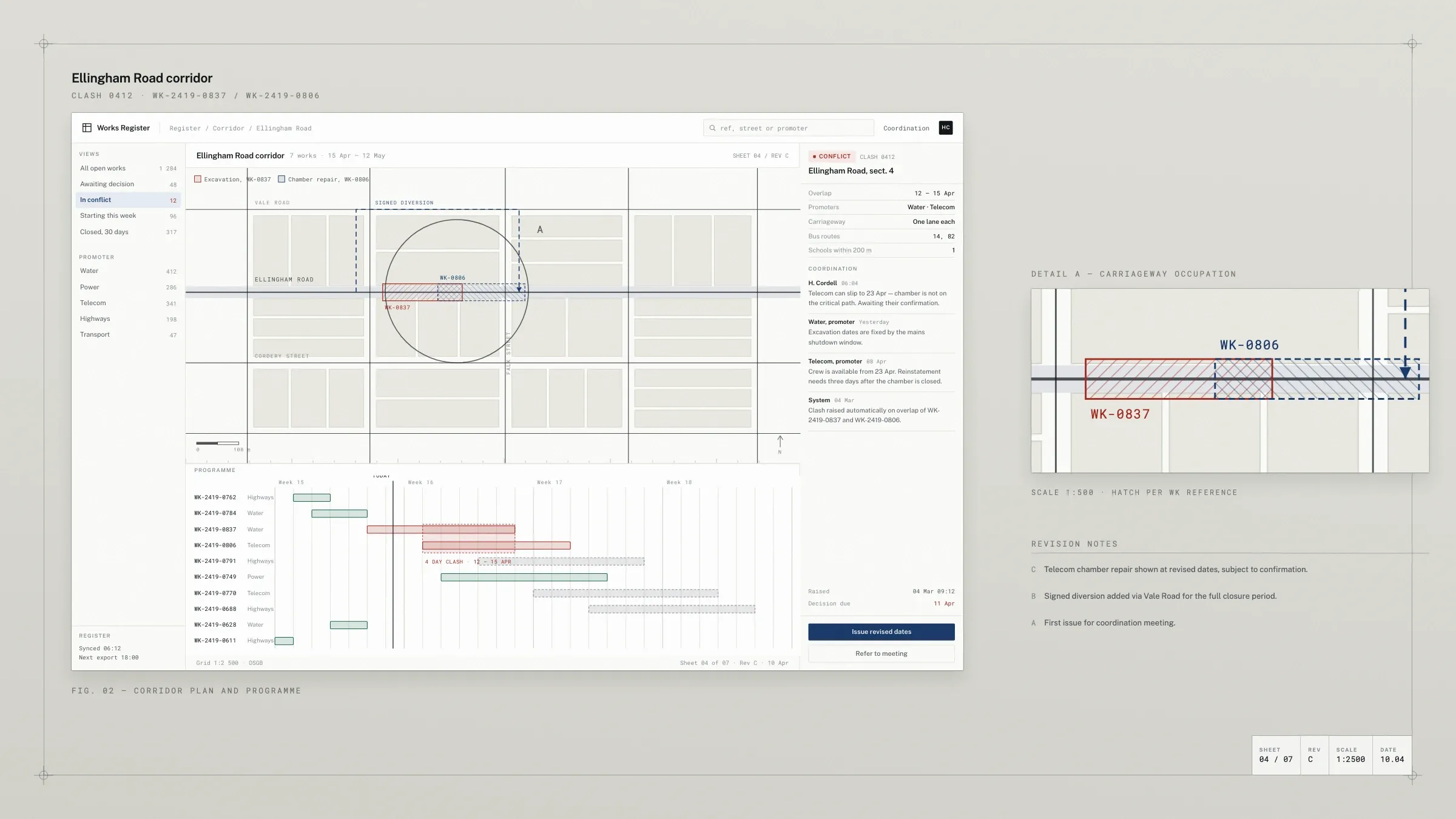
A city platform a decade old, given a modern layer so new products could ship without switching the old one off, and every payment provider behind one door. Our principals built that layer.
Pizza 4P’s
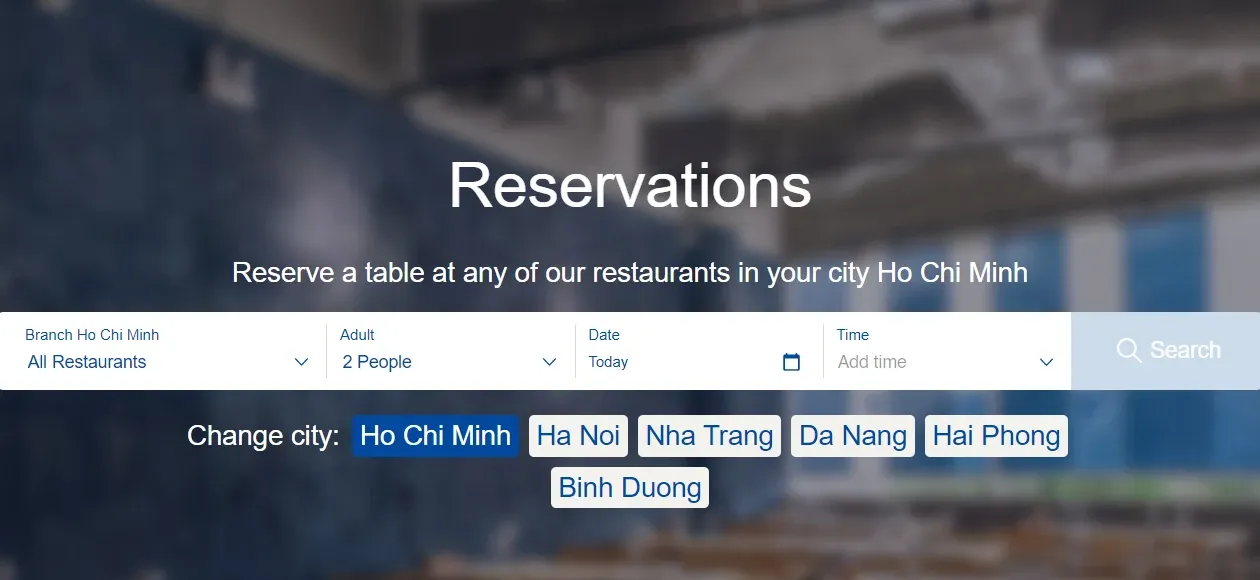
Ordering, delivery, reservations and kitchen screens for a restaurant group, with the payment and delivery partners underneath. Our principals worked across all of it, front end to back.
Dekanta
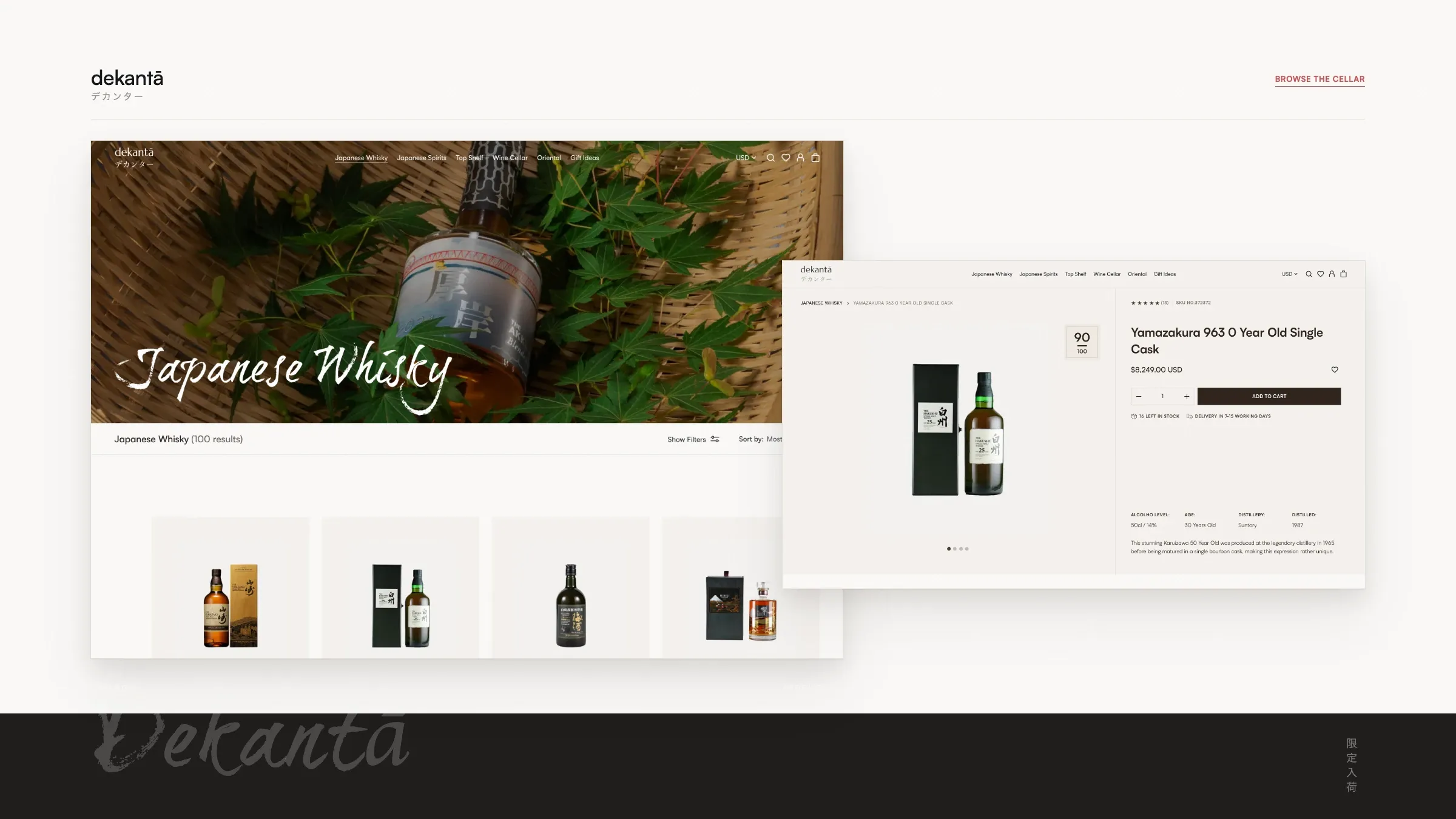
A Japanese whisky retailer’s storefront, rebuilt as a fast new front end over the content system they already ran, so nothing had to migrate to go live. The prototype shipped; the retailer changed course before launch.
Commenty
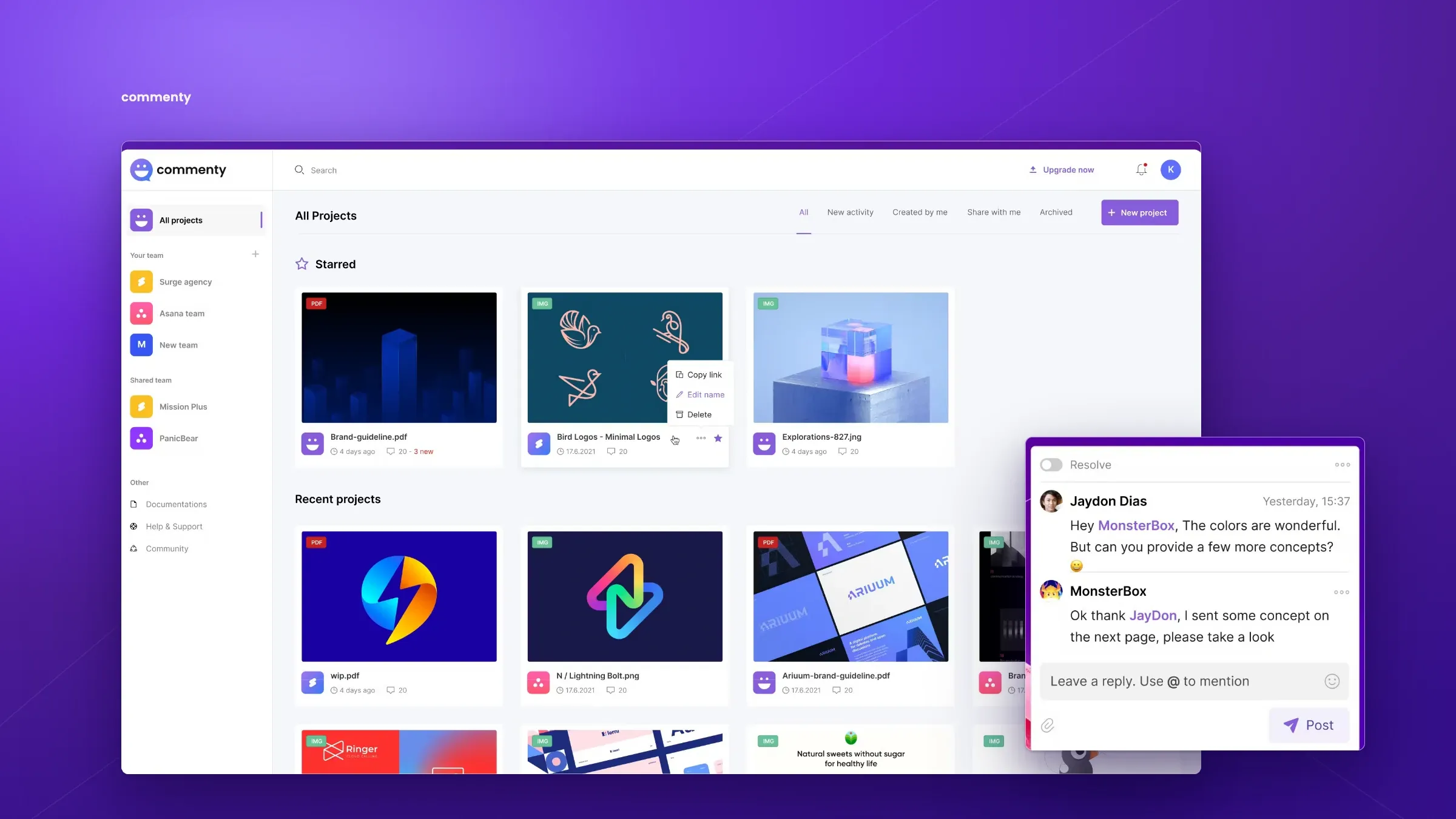
A feedback workspace for design teams: comments pinned to the work, and threads that stay attached to the version they were made on. Our principals built a core part of the product and moved it off its legacy code.
04 / How we work
Discovery
Understand the business, the users, the constraints and what success needs to look like.
Architecture
Define the technical foundation, system boundaries and the decisions that are expensive to change later.
Design
Turn workflows and requirements into interfaces people can actually use.
Build
Build in working increments, review continuously and keep the code maintainable from the start.
Deploy
Move into production carefully, with the environments, access and deployment process under control.
Support
Stay after launch to monitor, maintain and improve the system as real usage reveals what comes next.
The commitments
You talk to the engineer who builds it. Not an account manager.
You own your code and your cloud accounts from day one, so you’re never locked in.
A written update every week, whether or not there’s good news.
At handover you get the code, the documentation, the deployment and the keys.
We don’t disappear after launch.
05 / Principals
Our principals have been building production software since 2018: big enterprise systems, small startup products, and a fair bit in between.
Most of it on systems that were already running and couldn’t stop. We know how a payment flow fails when it has to clear across ten different providers, what a dispatch platform does to somebody’s evening when a deploy goes wrong, and what a restaurant needs from the kitchen screen through to the reservation. If that’s your world, you won’t be explaining it to us twice.
We’ve run engineering teams and set the hiring bar for them, which mostly means we know what good work looks like and what it costs. It’s why we’d rather give you a number you don’t like than one you do.
And when a project needs a specialist in infrastructure, mobile or design, we bring in someone senior we’ve worked with before. We’ve run teams that way for years, and it’s how the work normally goes. You’ll still be talking to us. The principals remain accountable for the work.
06 / Initiate
Tell us about your project.
Send us a note about what you’re building. We’ll reply with questions, not a quote.
hello@mithetra.com- What you’re building
- What already exists
- Where you’re stuck